Fog and rain this morning. The weather report says no rain so I guess it was just mist. We did some trip planning in the morning, as much as one can plan this trip. We will likely continue down the ICW at least to the Ponce de Leon inlet and likely to the Cape Canaveral inlet or even Fort Pierce inlet. We are trying to ship some spare motor parts to a future marina and it is difficult to plan this. John is also trying to send us a new powerful spotlight and there is some mail from home that needs attention.
We outlined some options. Thursday, we will go to Hammock Beach Marina in Palm Coast Florida. Then we will move on to Ponce Inlet. If weather poor for trip outside, we will keep inside moving toward Cape Canaveral. A goal would be Fort Pierce, or West Palm Beach by Christmas. We were able to make a reservation at Palm Harbor Marina, Lake Worth, Fl for the 26th and 27th. In south Florida, we lose the reasonable marina prices we have enjoyed thus far.
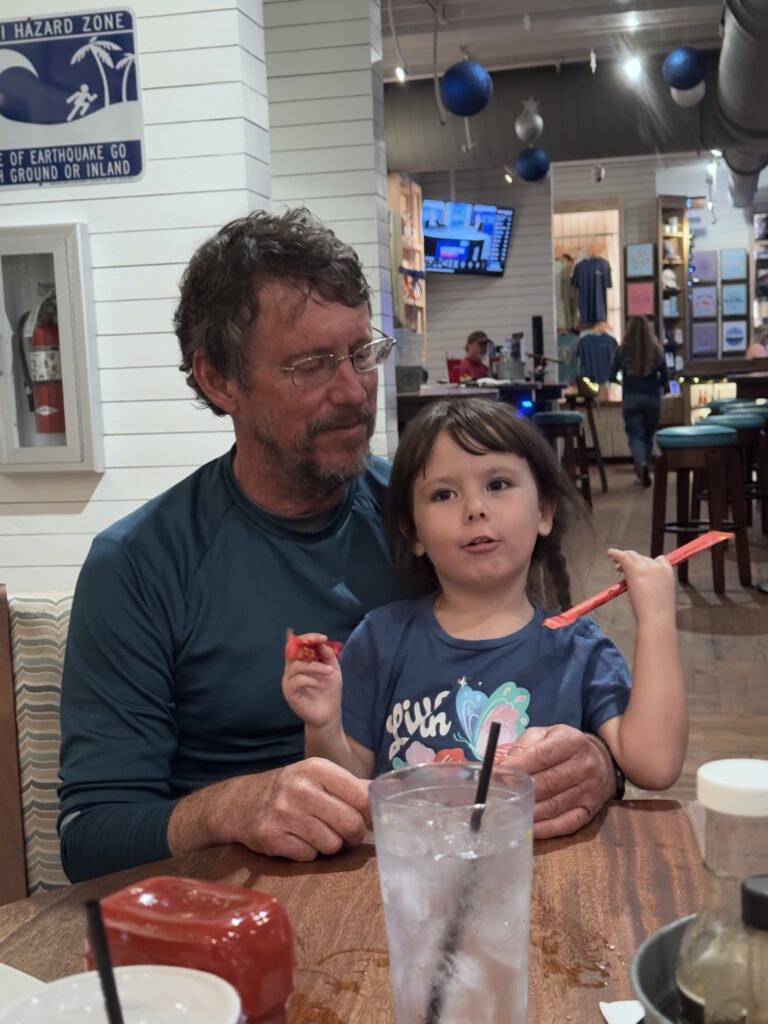
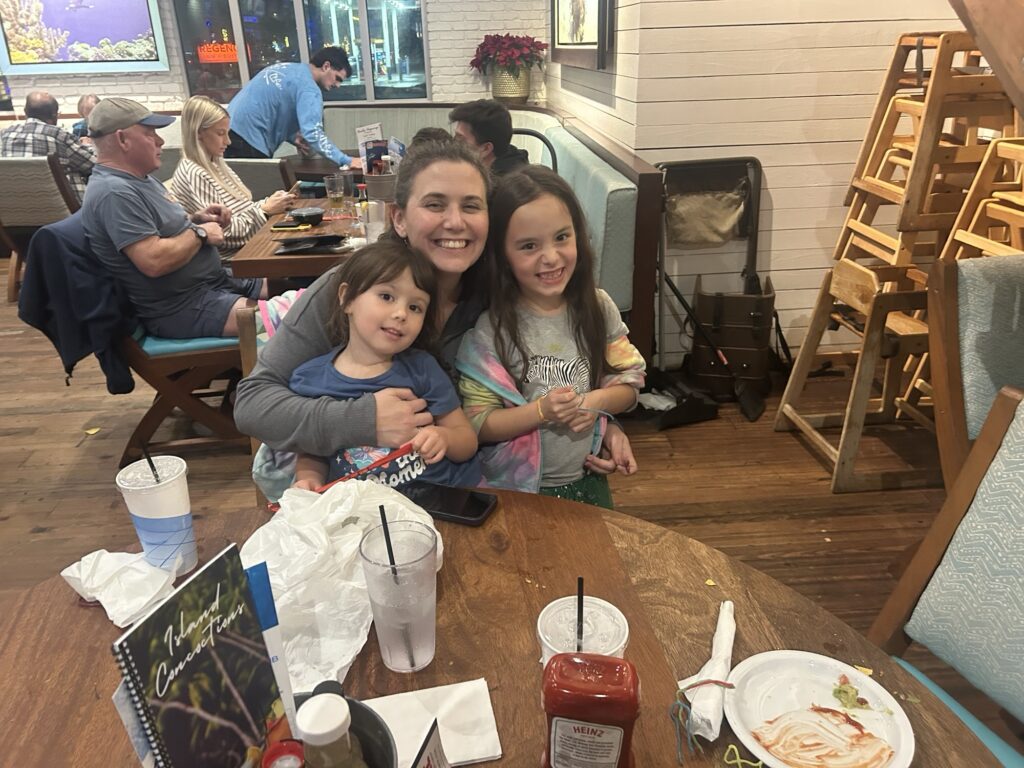
We were determined to do some touring despite the weather so we packed our rain clothes and our dinghy. Also, we had contacted our friend Grace who lives about 27 miles from St. Augustine. She and her two girls planned to come and visit after school and have dinner with us. We brought our flashlight and turned on our anchor light before heading ashore.
We stopped at a coffee shop and where others would sit and sip with laptops plugged in, we sipped while our electric motor quickly charged. It charges much more efficiently this way. We then headed to the old fort, Castillo de San Marcos.
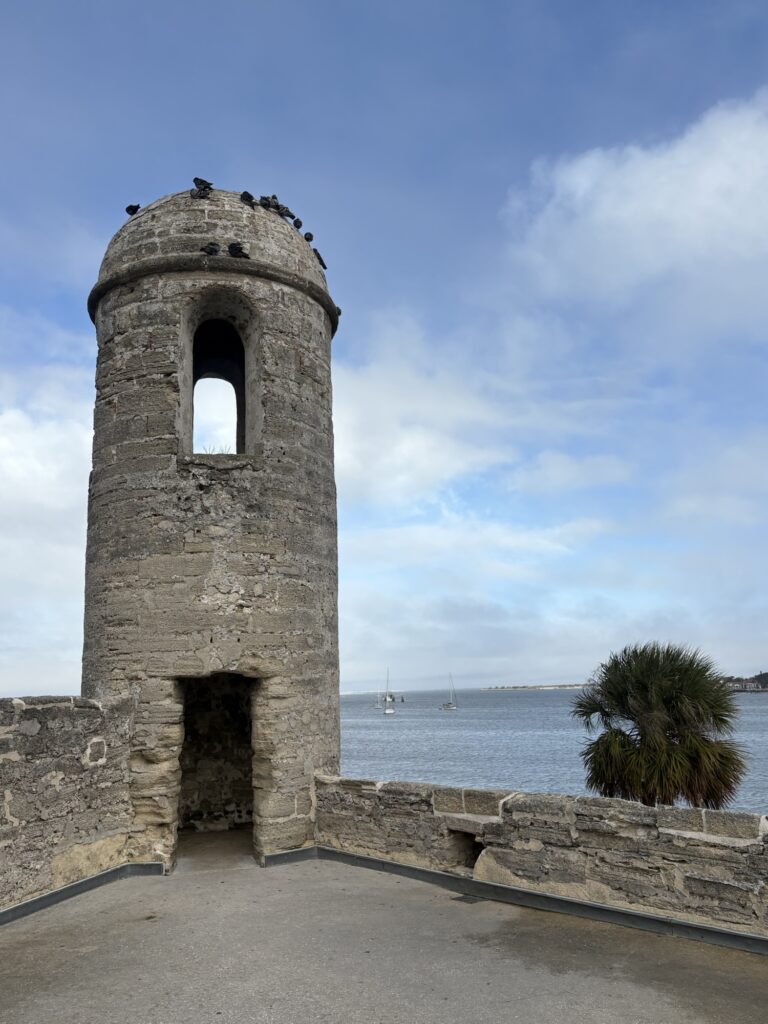
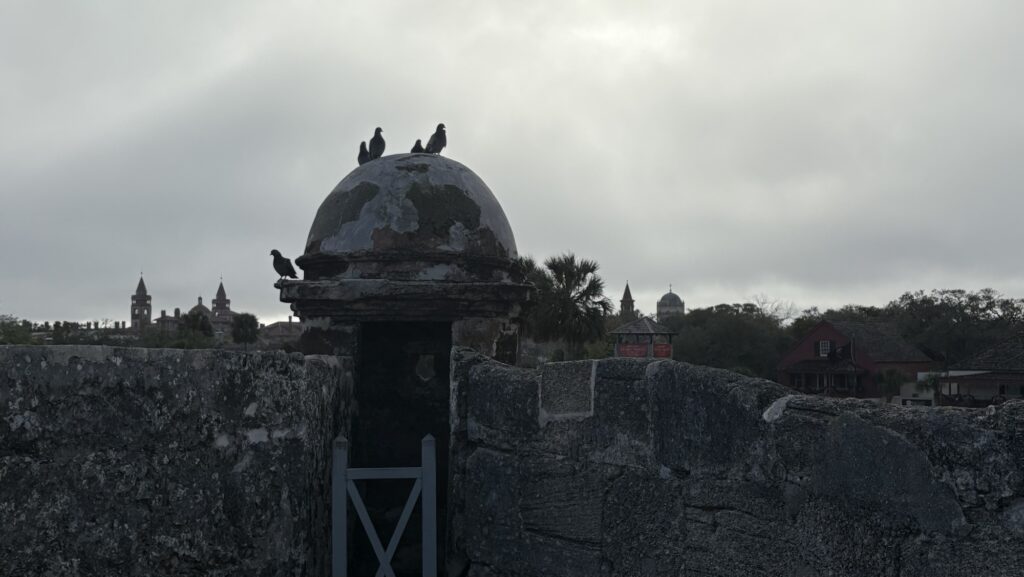
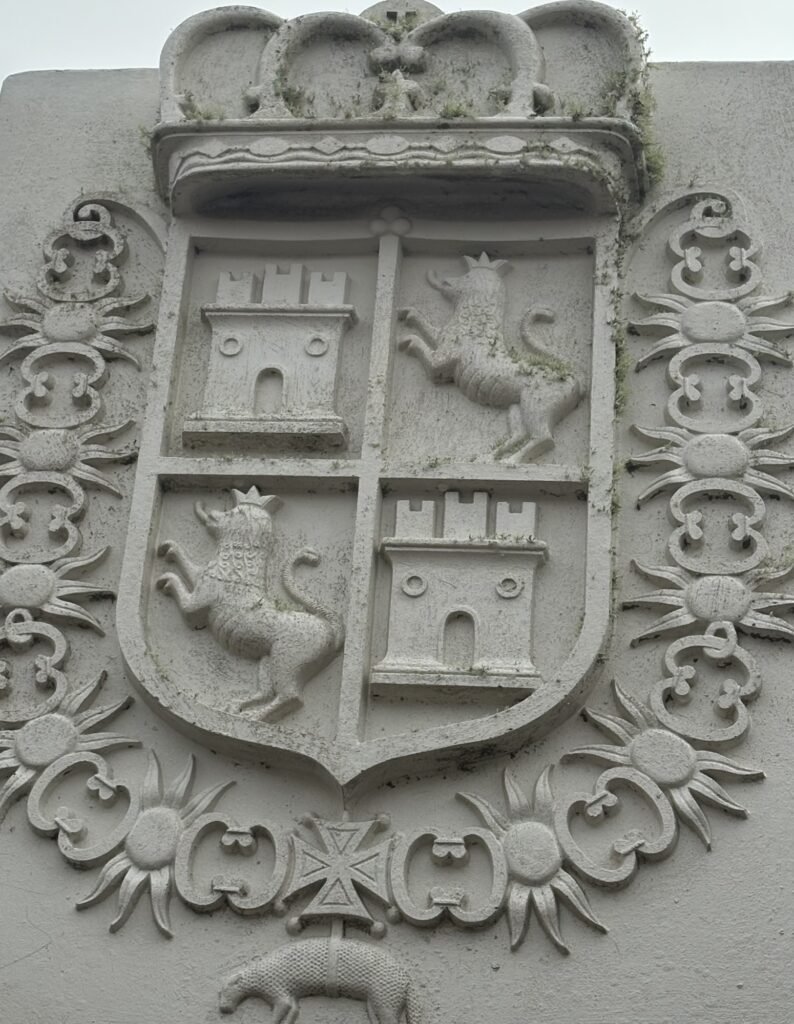
There are several historical things I want to remember about this fort. First, a brief timeline. 1513 -Ponce de Leon explores and claims Florida for Spain. 1535- the Spanish build a wooden fort to defend St. Augustine. The importance of this city, was related to the southern trade route that Spain dominated. Their galleons used the Gulf Stream currents to sail from Spain, into the Gulf of Mexico, hitting Cuba, Panama, and other parts of south and Central America, then Texas and around Florida and back across to Spain. As France and England encroached from the North, St. Augustine became the site from which Spain protected its trade route.
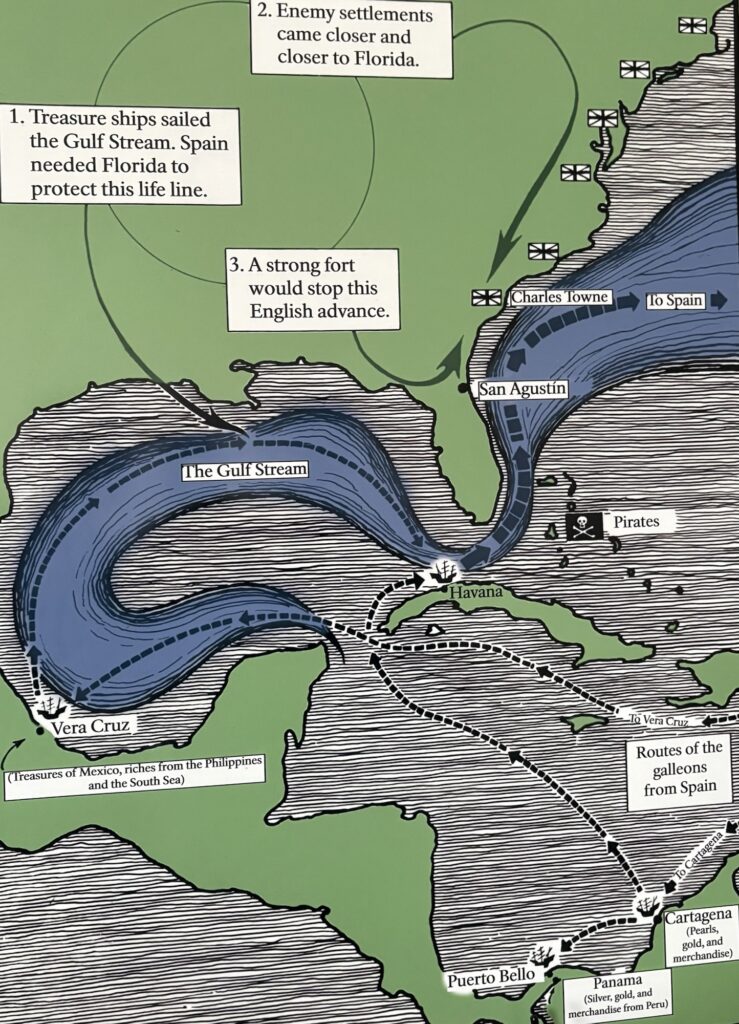
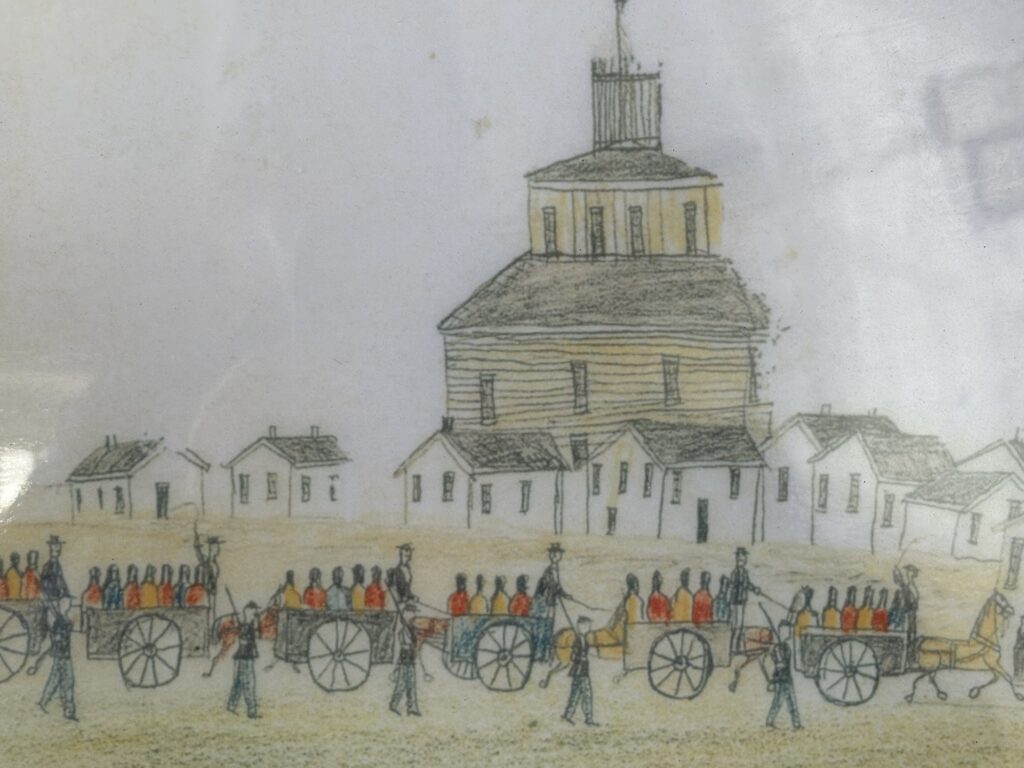
The fort we saw was started in 1672 and completed in 1695. It was around the time of the building that England colonized Charleston and SC. The English attacked and burned St. Augustine several times but could not take the fort. Finally, as a result of the seven years war, Spanish Florida and the fort were given to the British. But then, as a result of the revolutionary war, the area was given back to Spain. By this time Spain was weakening and America took over in 1825. The Americans renamed it Fort Marion and it did fall under confederate control for awhile. It was used to imprison some native Americans who were moved from Oklahoma. Then it was used as a coast guard training facility and later became a national monument with the old name restored.
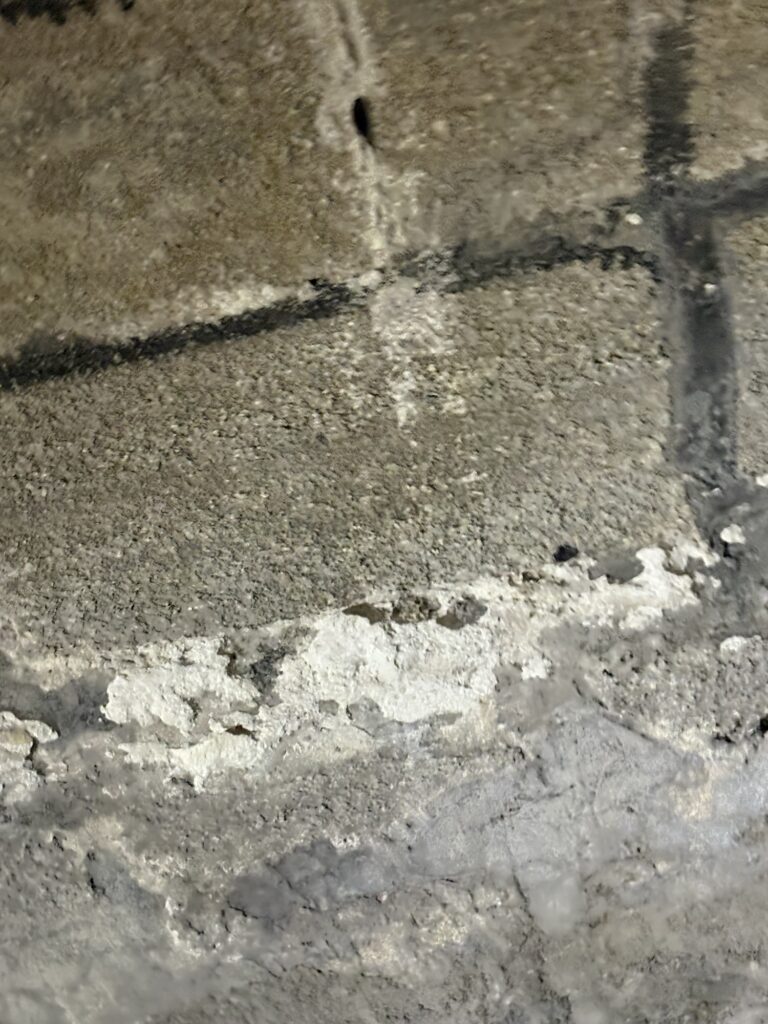
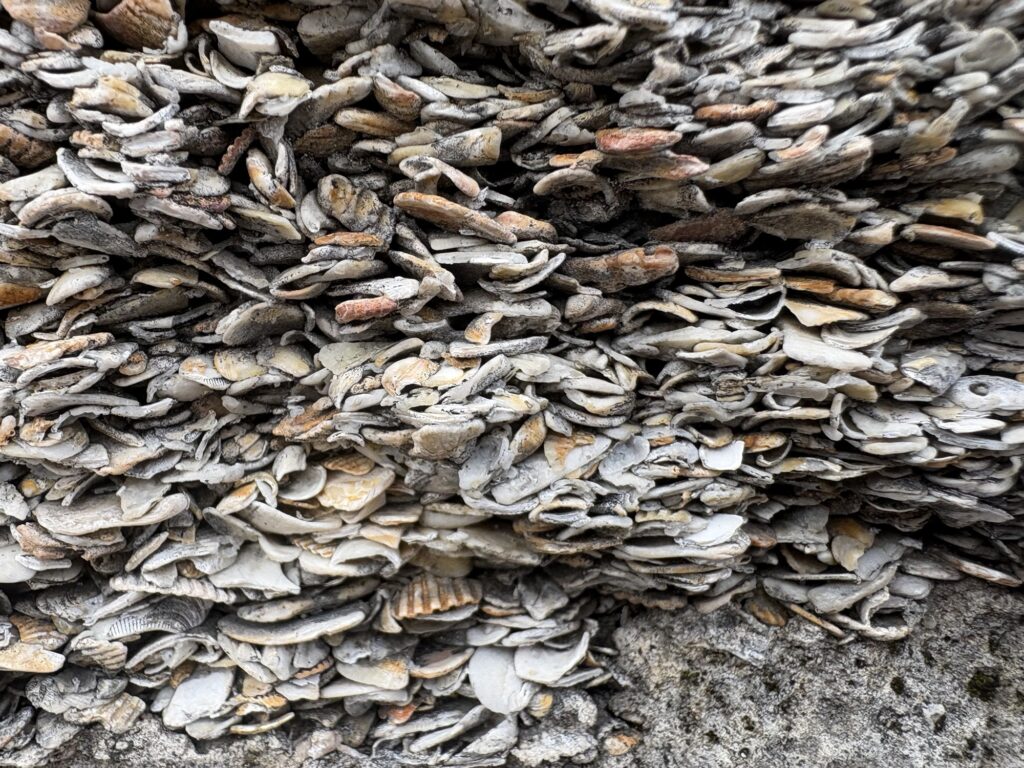
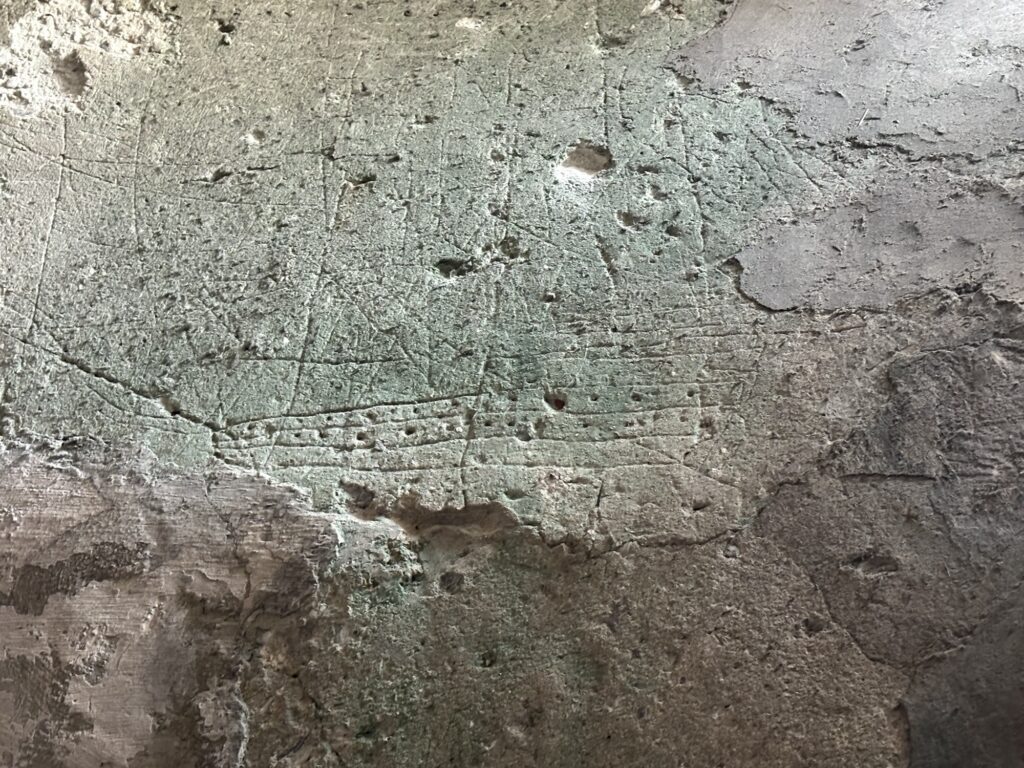
The walls of the Castillo were made of coquina bricks, similar to the tabby material we saw in Charleston but consisting of small shells, coquina and other, mixed with limestone and baked. A good material to last over 300 years. The inside of the fort walls were covered in a mortar called argamasa which was made with sand and limestone derived from burning seashells or even egg shells. It was then whitewashed. It was soft and allowed carving by the soldiers. Many of these are wearing away but you can see remnants on all of the inner walls of the fort.
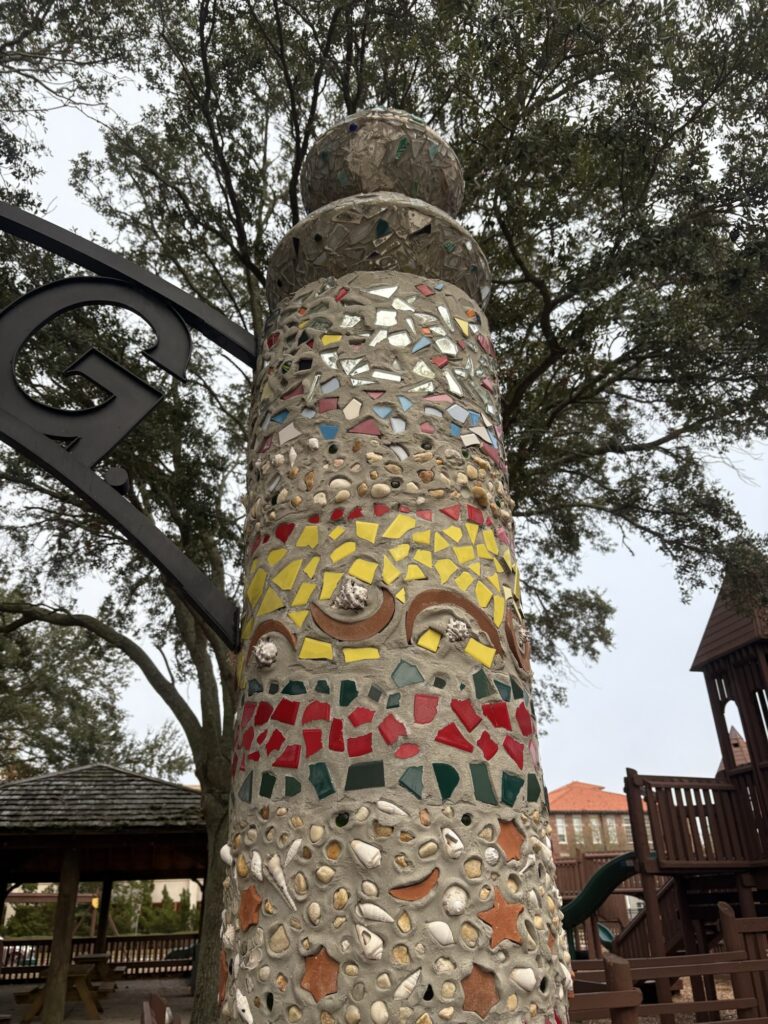
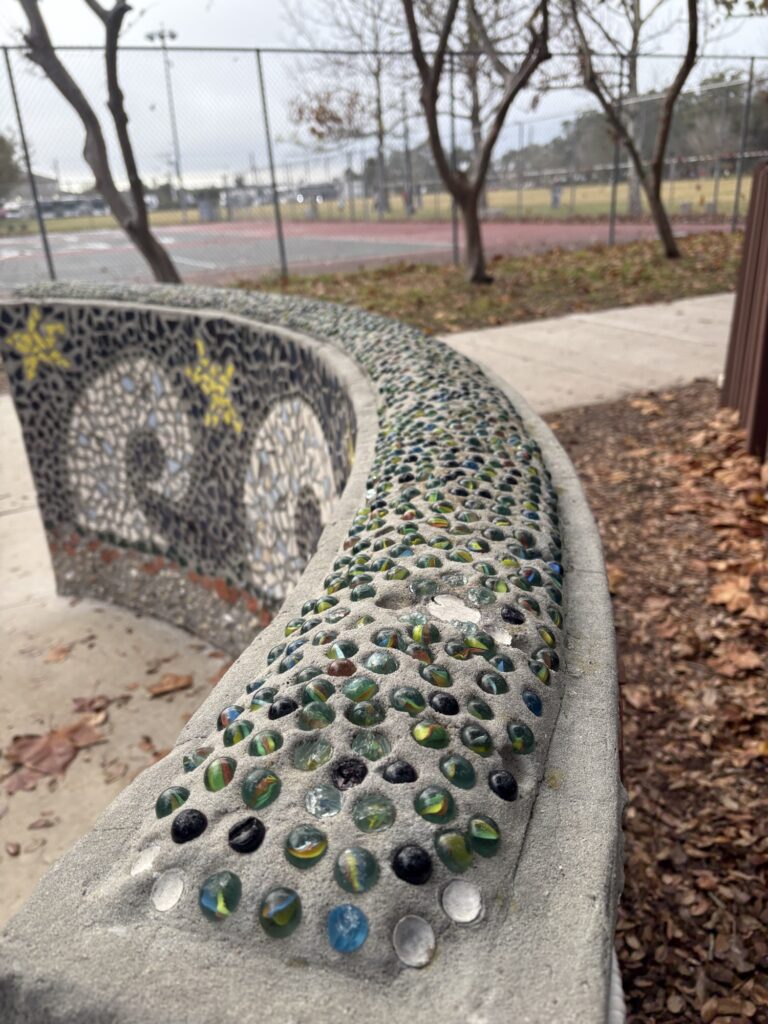
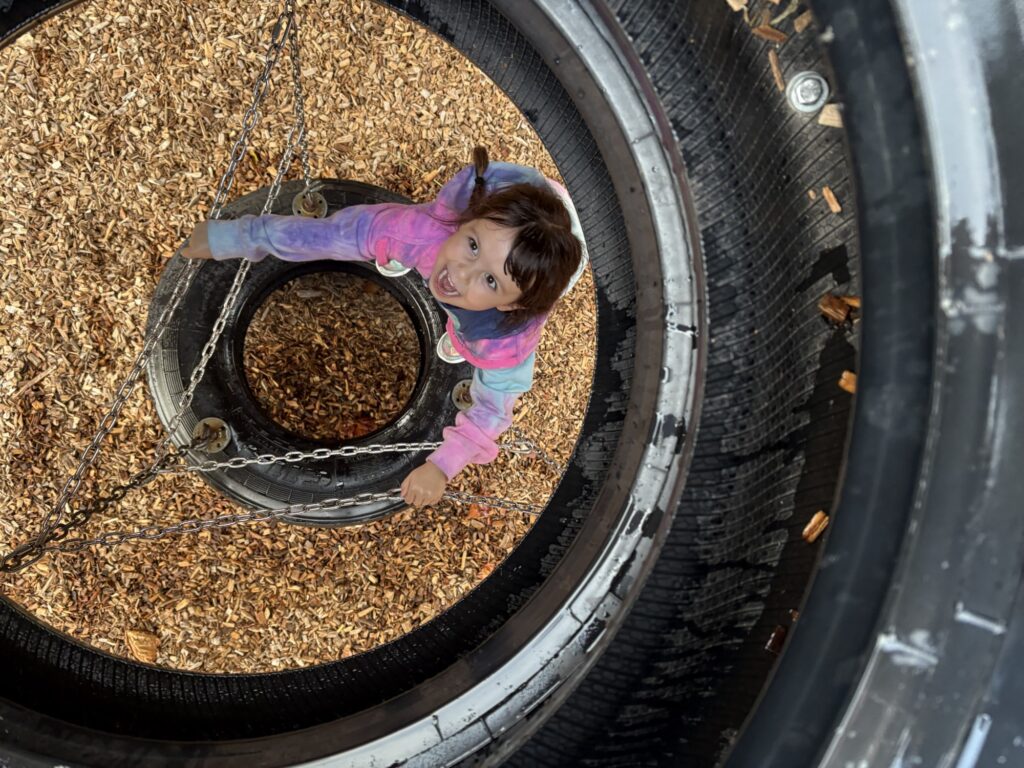
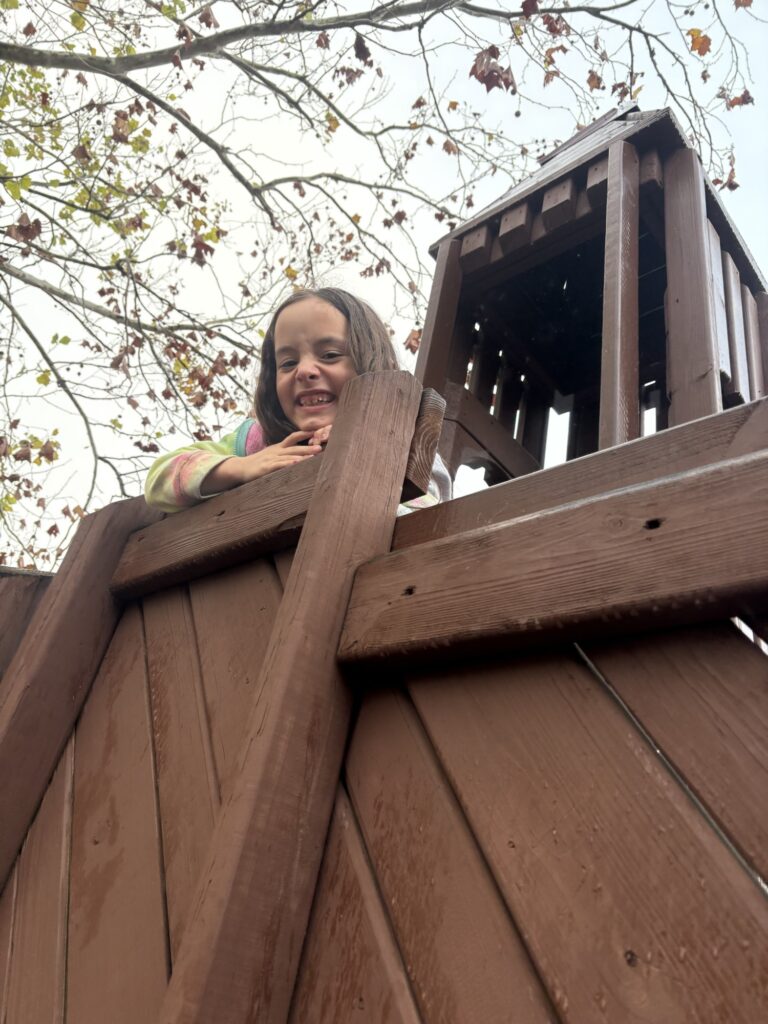
After the fort, we headed to a playground downtown called Swing, where we would meet Grace and the girls. We played at the playground for over an hour as it misted on and off. The playground was a series of wooden towers and bridges, slides and wheels where you could pretend it was a ship.
I tried to play the three billy goats gruff game. I should have known we were in trouble when the girls both wanted to be the troll. Amicably, they worked it out and decided to both be the troll. We got the little and middle billy goat sisters across the bridge to the green grass safely but when it was time for the big billy goat sister to head butt the troll into the river, it was clear that this could not happen. The troll was instead given a nice bath in the river and then was welcomed in the green grass by the sisters. It is clear that it is time for this troll to have a new narrative (Wicked style), and we should look into his backstory.
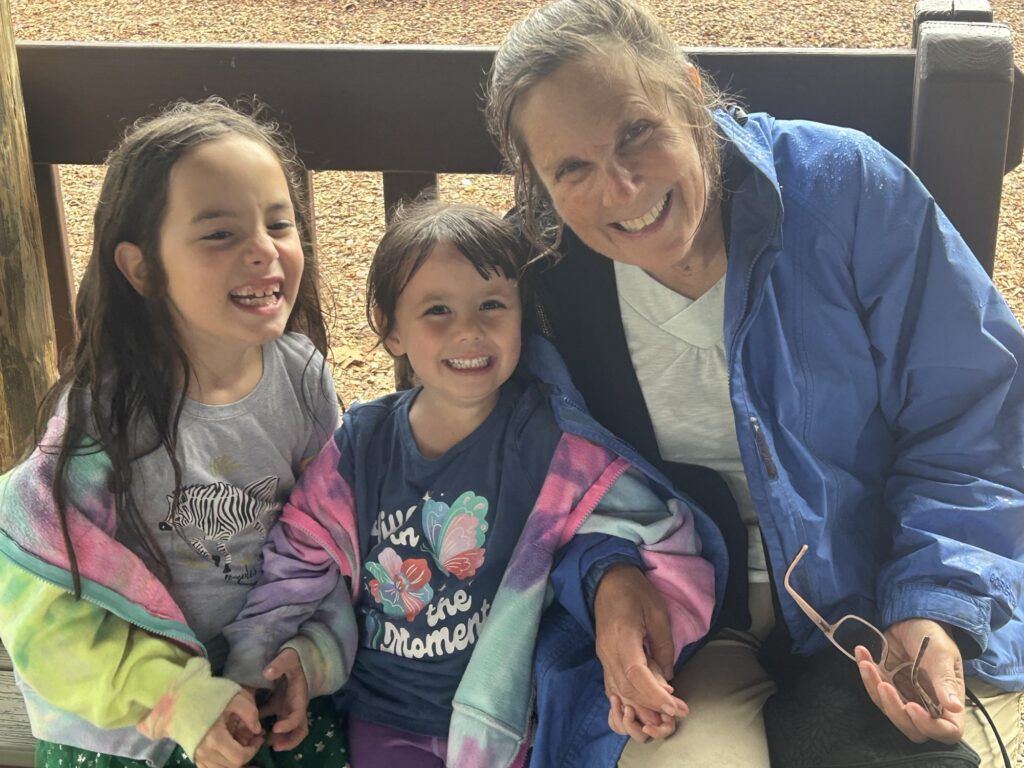
We enjoyed dinner together on the island across the Bridge of Lions. It was misting harder when we returned to the dinghy. We salvaged a bailing cup from the trash. Note to list, bring a bailing cup and sponge in dinghy. The ride and transfer to the boat went smoothly.