Our lovely heater that we have been able to use at marinas on shore power cut off during the night. David checked it and the pump felt warm so he turned off the power to it. In the morning, we tried to troubleshoot. It was not pumping water. We checked the filter and the strainer was full of thick black mud. We checked our depth, 2 feet under our keel with the tide going out for another 4 hours. We had been aground in the mud sometime during the night at the dock, allowing our heater to suck up mud. We did not have time to assess the heater any further.
We checked the engine strainer and it was clear of mud. We raced to get out of there before the tide went out any further. A new dockhand came out to take a report of the incident and help us leave. He knew about the shallow water there and said we should not have been docked there. He was very nice and held our stern so we would have the deepest water going out. David was able to get the bow swung around and we went out forward. We will assess the heat pump further when we next dock. We are also not able to use the salt water wash down that we use to rinse the anchor because it uses the same thru hull as the heater and the intake hose is likely clogged with mud.
We are very lucky we did not start the motor during the time we were in the muck. We learned to check the depth at the dock through the low tide and especially before we start the engine. Our heater intake is below the waterline but well above the keel so for us to get thick mud in there, we must have really been buried. Another lesson learned the lucky way.
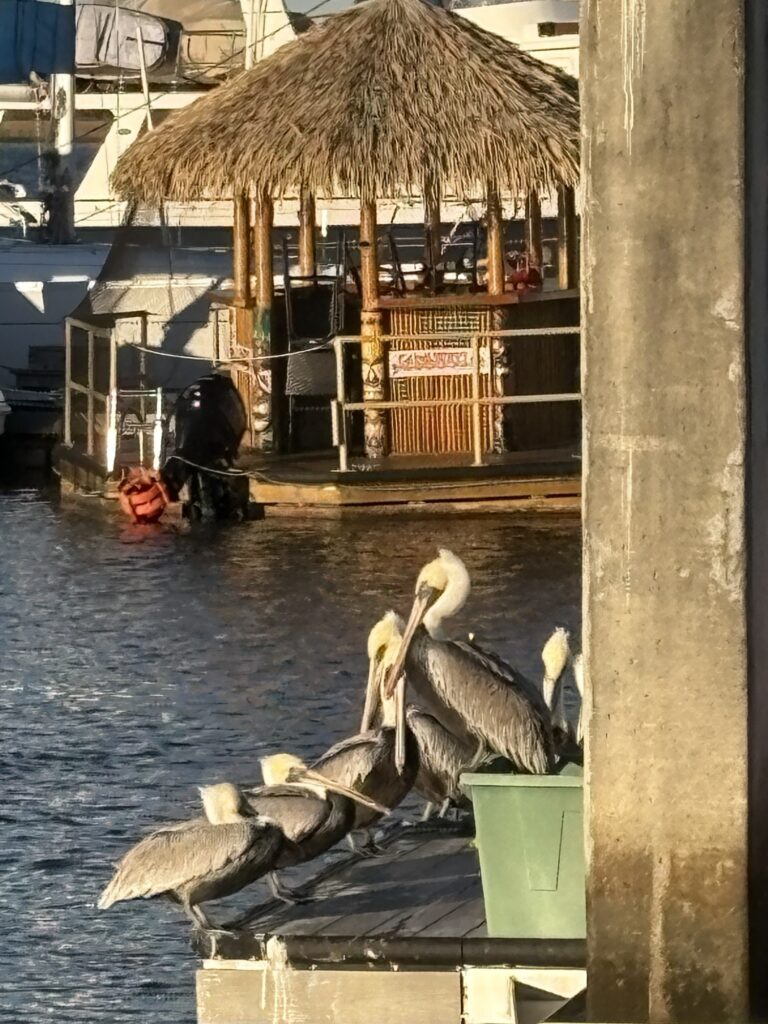
We headed out toward the inlet , leaving Fernandina behind. Despite the events of the marina, I cannot help but like this town and the proud people who live here. Saturday, there is an annual celebration called Dickens on Centre. Centre street is transformed into Dickensian London. There is a street market and everyone dresses the part. There are street performers and chamber music. Hopefully they will not have pickpockets. Sorry to miss it.
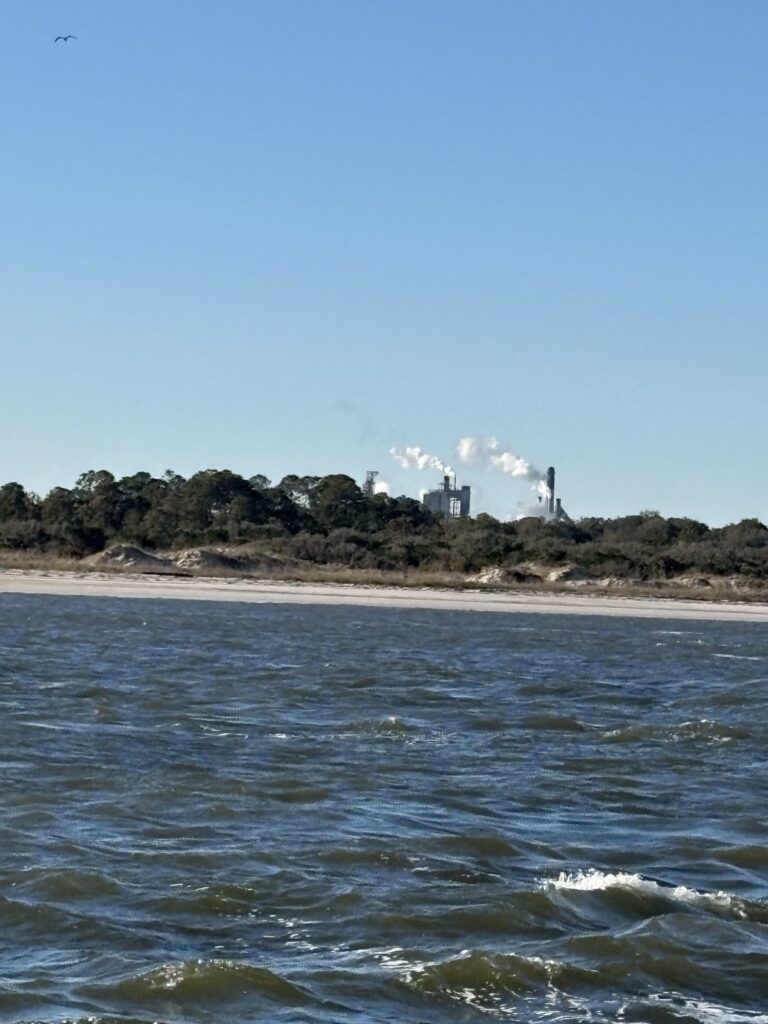
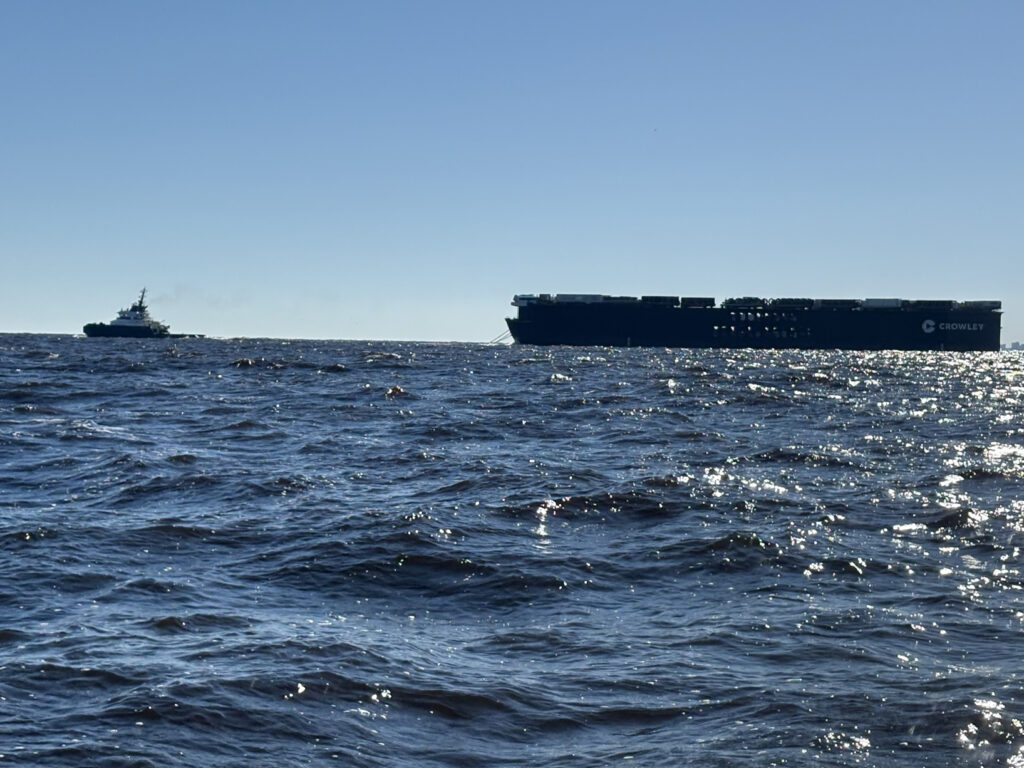
We had waves on our quarter again as we came out of the inlet but once we turned a bit to go down the coast, the conditions improved. We sailed downwind with our genoa to Jacksonville inlet. There were huge ships coming out and lots of planes and helicopters practicing maneuvers. The radio was active. A submarine was coming out of the St. Mary’s inlet where we had come out, a boat capsized at Tybee inlet. Three people were rescued from the jetty there.
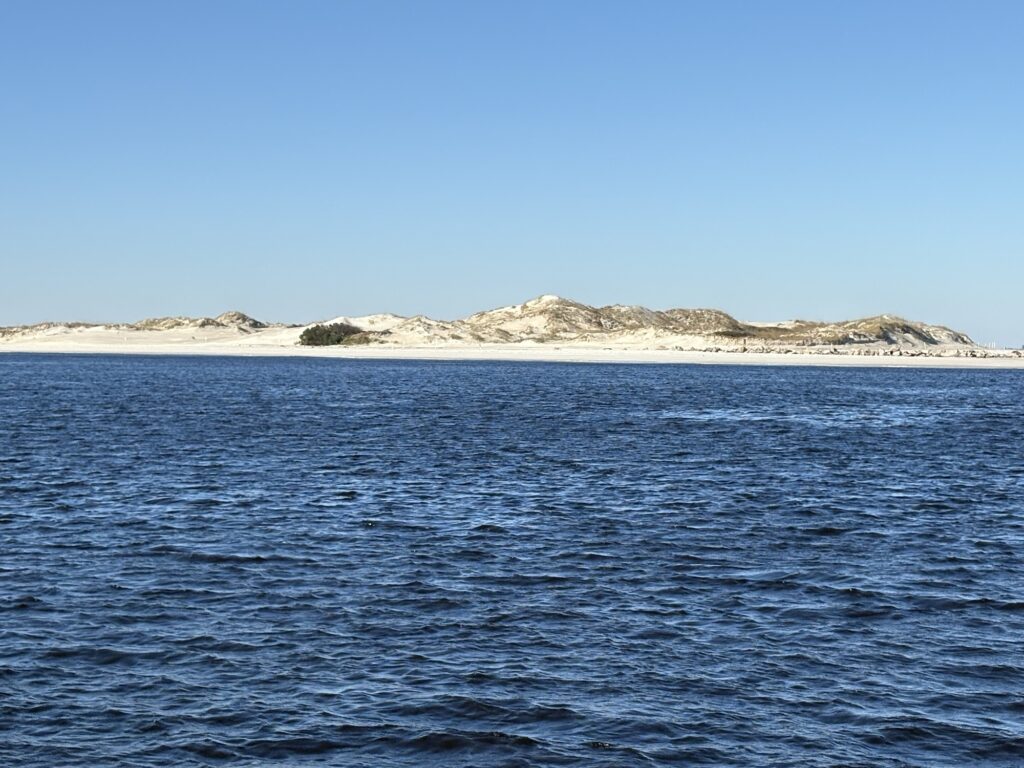
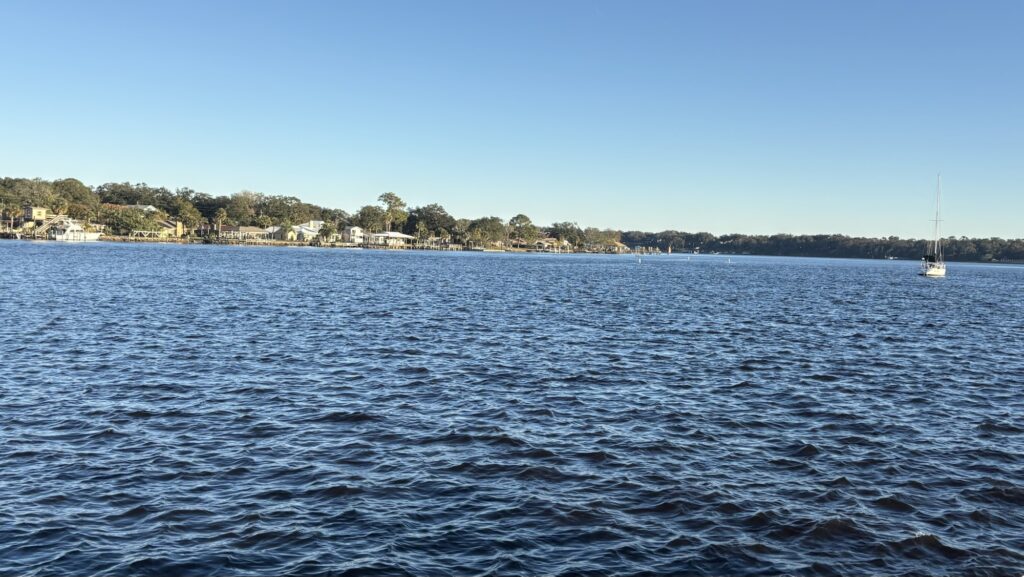
We came in to the St. John’s River that is Jacksonville inlet. We wanted to anchor somewhat close to the ICW as we are planning the run to St. Augustine tomorrow. St. Augustine inlet apparently is very tricky so we opted for the inland trip. We tried an anchorage at Sisters Creek but were not happy with the depth there, though it was beautiful. We went on to an anchorage next to Blount Island. There was another sailboat anchored there. A lady who lives on the shore put a note in the navigation app that she welcomes boaters and to call her or come to her dock if we need anything. We did not, but it was nice to know she was there.
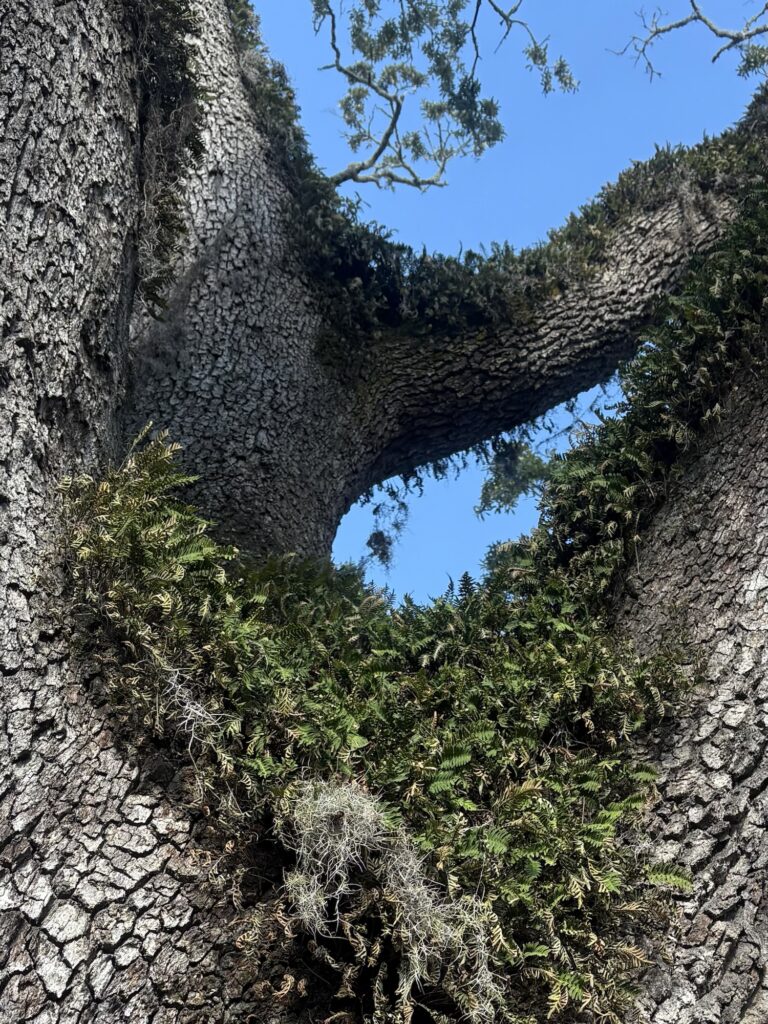
In the evening, I was able to identify the plant from yesterday’s post. It is called resurrection fern (Pleopeltis polypodioides). It is native and grows on the trunks of large trees. It is not a parasite. It gets its nutrients from the air. Usually, it is brown because its leaves are folded. But after a rain, it unfolds to a beautiful green which is why it caught my eye and why it is called resurrection fern.